



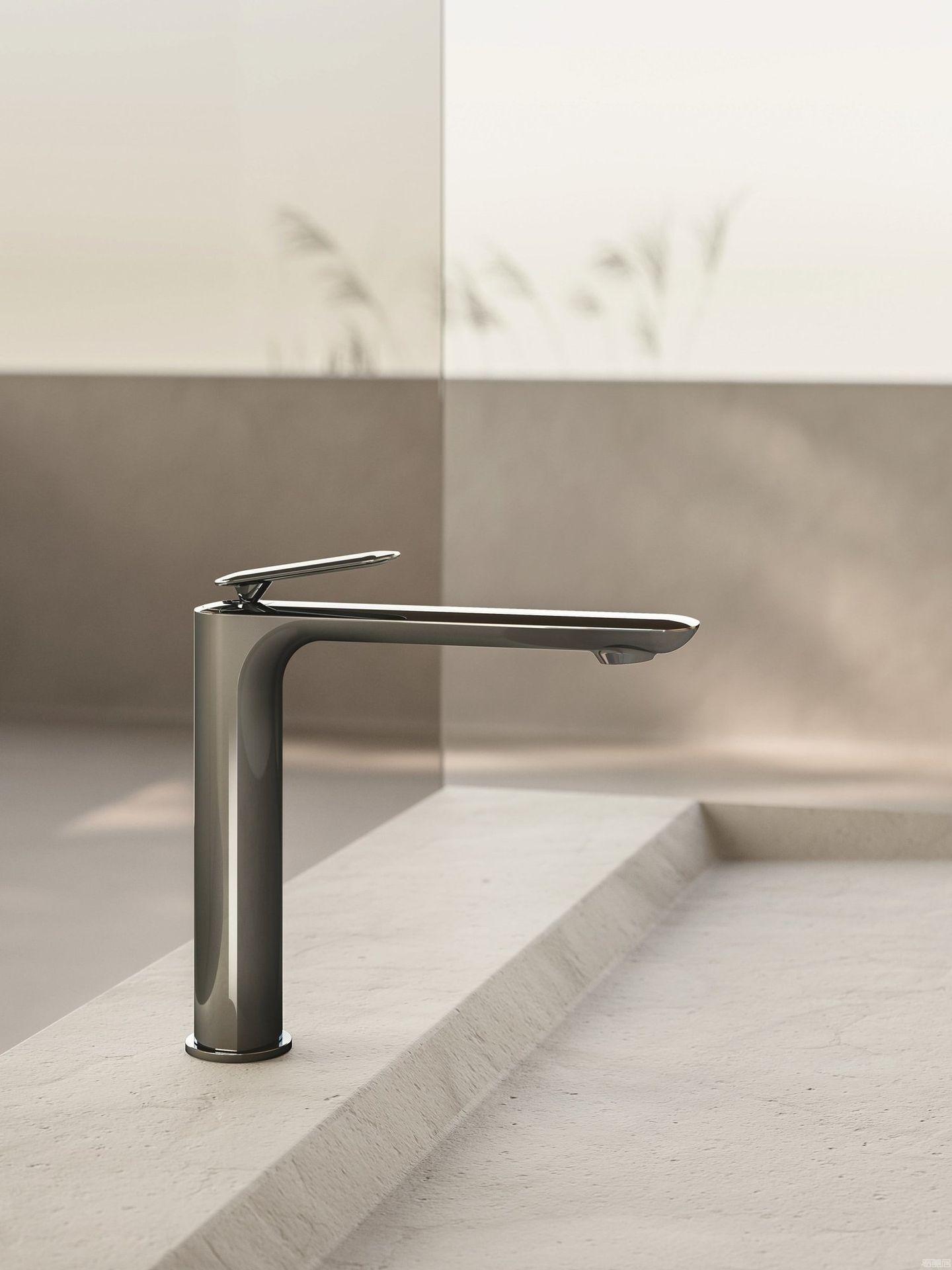
Micro cement is a cutting-edge decorative coating made from a mix of cement, polymers, fine aggregates, and natural color pigments. What makes it stand out? Its ultra-thin application—just 2–3 mm thick—delivers a sleek, seamless surface without any visible joints or grout lines. Perfect for both modern renovations and new builds, micro cement can be applied directly over existing materials like tile, concrete, drywall, or even wood.
This versatile finish is becoming a go-to choice for designers and homeowners looking to achieve a clean, minimalist look without the hassle of full demolition. From kitchen walls to bathroom floors, and even custom furniture, micro cement adapts beautifully to any space.
Seamless, Modern Finish: Creates smooth, joint-free surfaces that look clean and contemporary.
Applies Almost Anywhere: Works on walls, floors, stairs, countertops, and more.
Customizable Look: Choose from a wide palette of colors and textures to match your style.
Minimal Thickness, Maximum Impact: No need to raise floor levels or strip surfaces—micro cement sits light and blends in smoothly.
Micro Cement: Primarily used for decorative finishes on walls, floors, and ceilings.
Micro Concrete: Used for structural repairs and as a durable overlay for existing concrete surfaces.
Micro Cement: Offers smooth, customizable finishes that can be tailored to a wide range of color and texture preferences.
Micro Concrete: Typically has a more functional, coarser finish that prioritizes durability over decorative detail.